Hosting well at home is not a question of means but of anticipation. After several years cooking in Madrid homes, I've seen the same small mistakes return: a poorly organised fridge, a table too narrow, a white wine served at 18°C. These ten practical tips cover everything you can prepare before the first guest arrives.
2. Ask about allergies in writing
A group message with a clear question ('any allergies, intolerances or special diets?') prevents a guest from discovering during dinner that the dessert contains nuts. Send it 5 days ahead to allow time to adapt.
3. Empty the fridge the day before
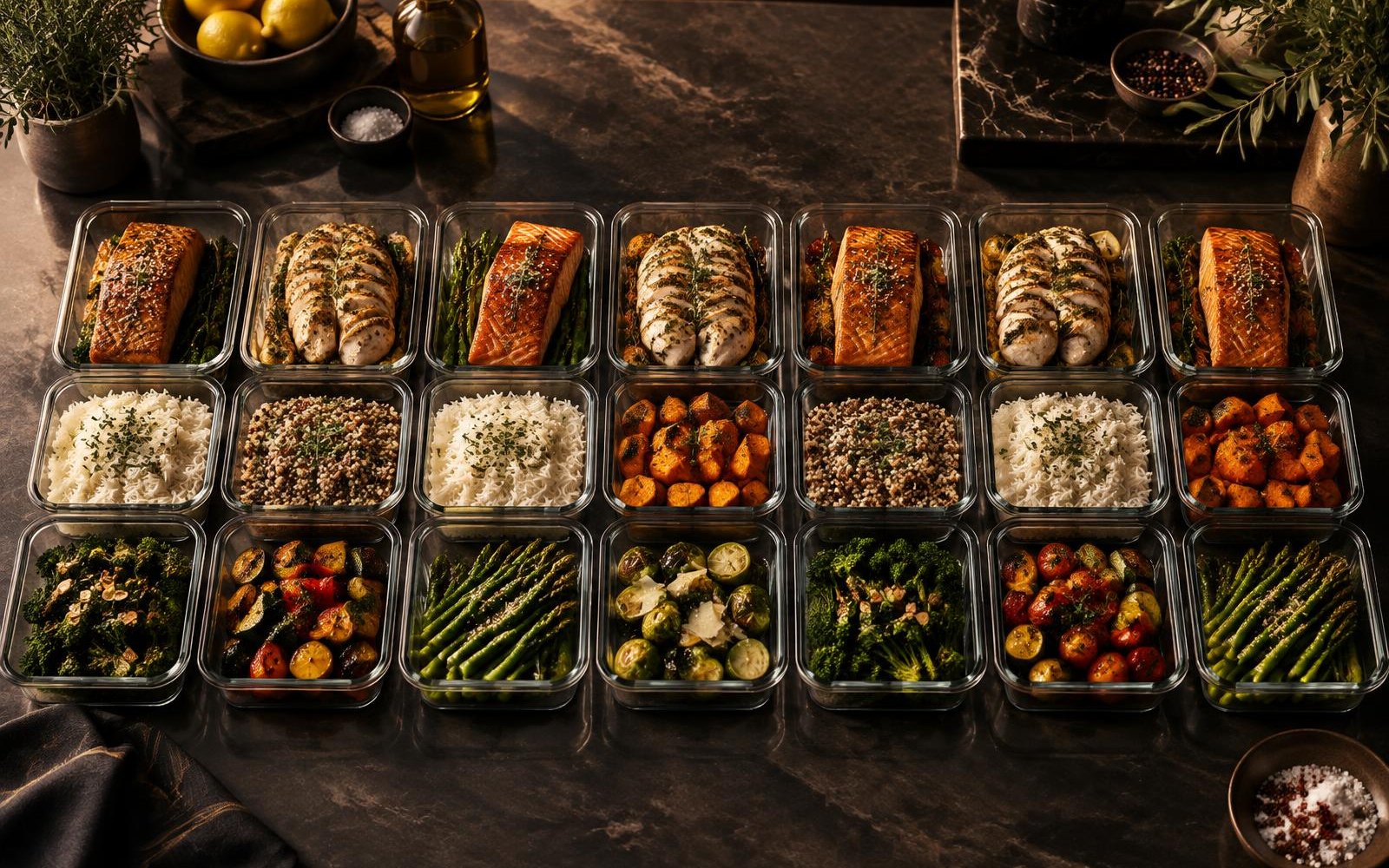
A dinner for 8 means roughly 6 to 8 kg of raw produce. You need the room. Empty the fridge the night before, defrost the freezer ice packs and prep the trays that will hold cold preparations.
4. Chill the whites 4 hours ahead
White wine is served between 9 and 12°C — neither 4°C straight from a commercial fridge nor 18°C left on the counter. Four hours in a domestic fridge gives the right temperature. For young reds, 30 minutes in the cold is ideal.
5. Set the table on the morning of D-day
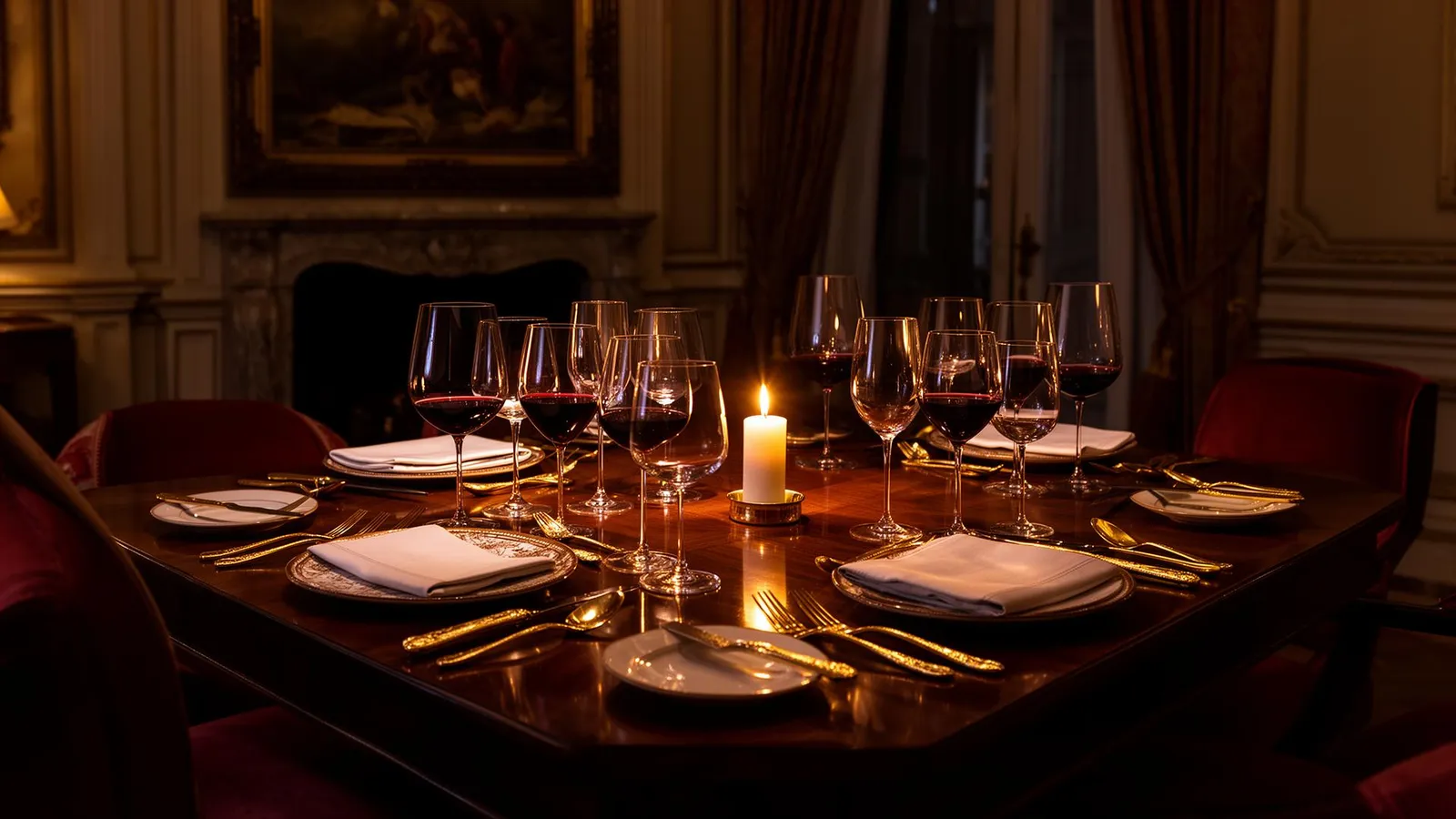
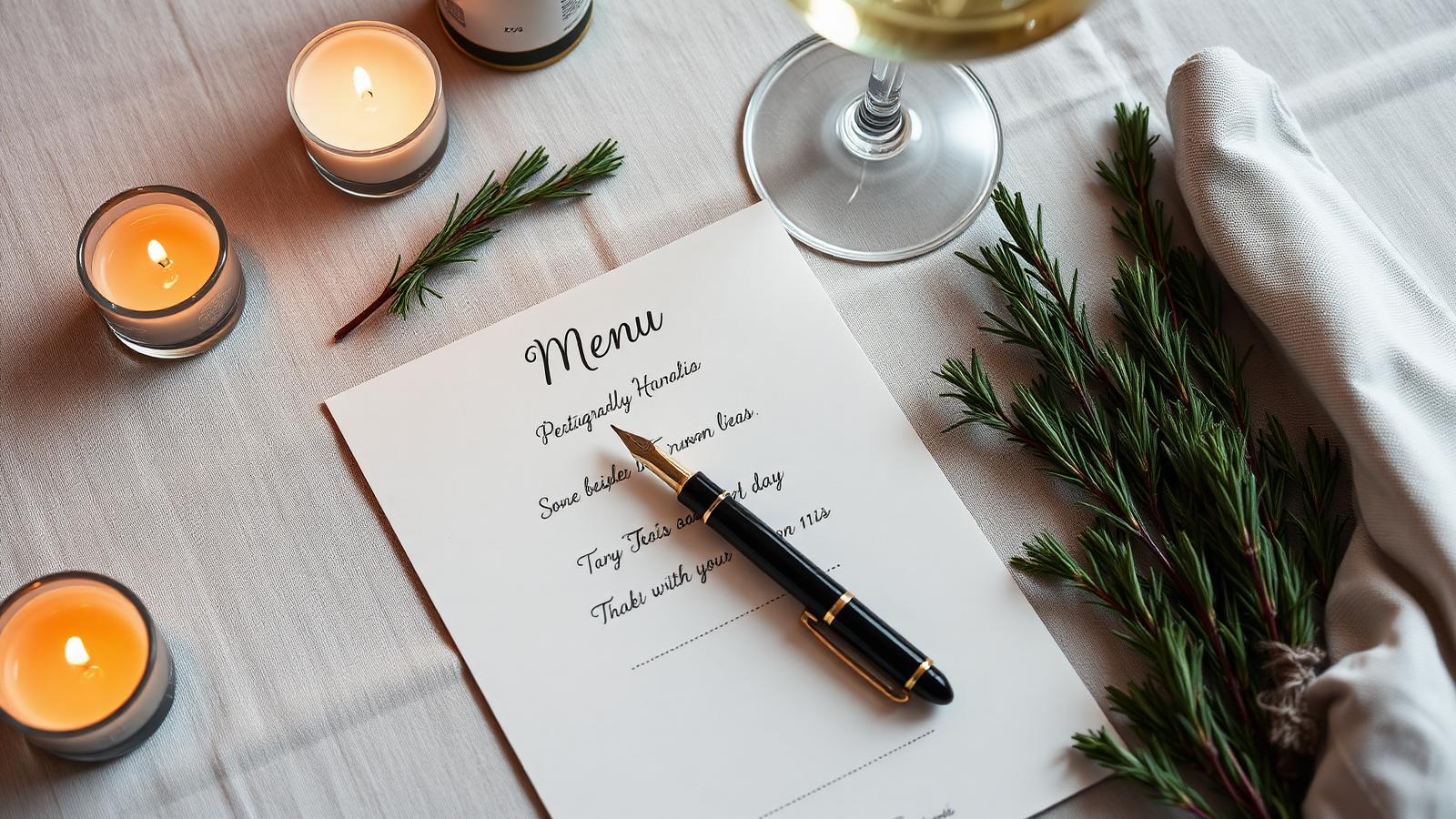
Tablecloth, china, glasses, cutlery, menus: all should be in place by noon if dinner is in the evening. That frees the afternoon and lets you find out you're missing a glass before it's too late.
6. Manage cooking smells
If you'll be frying, browning fat or cooking fish, turn on the extractor 15 minutes before. Close the kitchen door if possible. A soy-wax candle with cedar notes neutralises the leftover smells without perfuming dinner.
7. Space courses 25 minutes apart
Between aperitif and starter, allow 30 minutes. Between each course, 25 minutes. A 4-course dinner thus lasts 2h30 — neither rushed nor endless. It's the natural rhythm of an evening you remember.
8. Serve water before wine
A carafe of filtered water on the table before any glass of wine: it hydrates, soothes, lets the aperitif breathe and prevents the first glasses being emptied too quickly.
9. Have a second in the kitchen (or a chef)
Cooking and hosting at the same time is exhausting. The simplest solution: a relative designated as kitchen ally, in charge of clearing, bringing plates, opening bottles. The most comfortable solution: a private chef.
10. Prepare a soft ending
An herbal tea, a small piece of dark chocolate, a candle in the living room: give guests a reason to stay 15 more minutes. The best conversations come after dessert, not during.
Hosting well is offering comfort, not proving virtuosity. These ten tips invent nothing: they simply formalise what any professional chef anticipates before the first guest arrives.
FAQ
For a 9 pm dinner, start long cooks at 4 pm and finishes at 8 pm. Early mise en place is the difference between a calm kitchen and a chaotic one.
Three minimum: one for water, one for white, one for red. For a tasting menu, add a champagne or cava flute for the aperitif.
Yes, if you simplify the menu: one main and a dessert, two wines, no extended aperitif. A weeknight dinner can be very elegant when it lasts 2 hours.